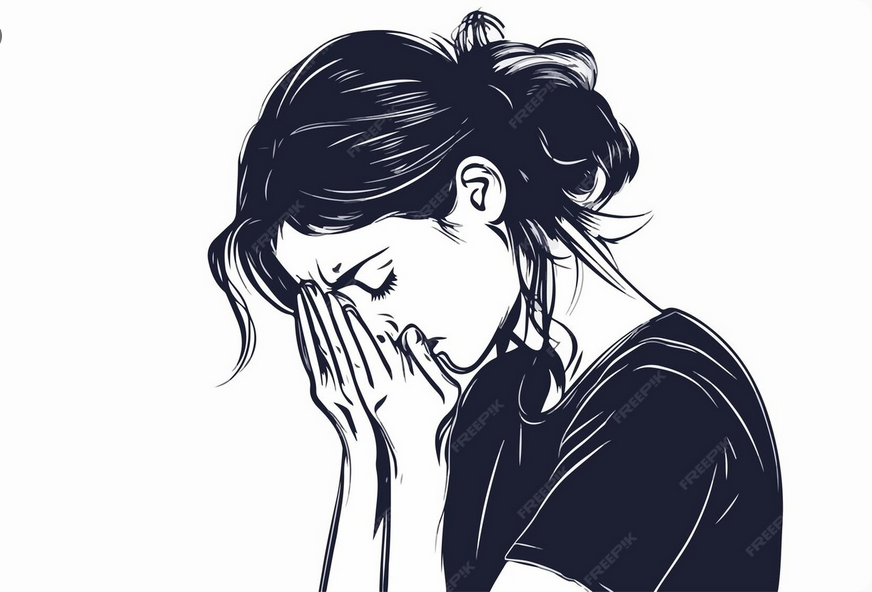
In 2026, the Indian Parliament stands at a historic crossroads. The Women’s Reservation Bill has been thrust into the center of the national discourse, framed as a panacea for the historical marginalization of women in the world’s largest democracy. On the surface, the narrative is seductive: by legislating a quota for women in the halls of power, India will finally transition into a progressive, egalitarian society. It is a sentiment that, in theory, should be celebrated without reservation.
However, a chilling reality exists beneath the celebratory slogans and the political posturing. While the bill promises a seat at the table, it does not promise a safe journey to the room. Data does not lie, and the current data regarding the safety, dignity, and lived experience of women in India suggests that political representation without a total overhaul of the male-centric, orthodox mindset is a hollow victory. If women are still viewed as objects to be controlled, silenced, or violated, then a 33% or even a 50% reservation is merely a change in the decor of a house that remains fundamentally unsafe.
The Mathematics of Equality: Why 50% is the Only Just Number
If we are to speak of reservation, we must speak of true equality. For centuries, women in Indian society have been treated as a deprived class—marginalized by patriarchy, chained by orthodox mentalities, and systematically denied the same opportunities as their male counterparts. In this century, and for the future of our nation, the idea that women should settle for a minority percentage of seats is an insult to their humanity.
Women are not a “special interest group”; they are half the human race. Therefore, the representation in Parliament should not stop at 33%—it must be increased to 50%. Anything less is a declaration that women are still secondary citizens. They must get equal opportunities because they are human beings, and there is no logical or moral reason they should be left behind. Yet, as we move toward this goal, a haunting question arises: Is Indian society, which remains deeply entrenched in a men-centric worldview, actually ready for this change?
The Orthodox Barrier: Men-Centricity and the Suppressive Mindset
The primary obstacle to women’s empowerment in India is not a lack of legislation, but the persistence of a mindset that views women as “objects” or “things.” In many corners of our society—from rural villages to high-end corporate offices and even inside the hallowed halls of Parliament—there is a deep-seated fear of women “pulling over” or exerting authority over men.
Those chained to an orthodox mentality see a woman’s rise as a threat to their traditional dominance. This leads to a systematic attempt to suppress women at every level. If a woman is ambitious, she is “aggressive.” If she is vocal, she is “shrewd.” If she is successful, she is targeted. We must ask ourselves: How can a legislative bill guarantee respect when the men sitting next to these women in the assembly are the same individuals who, in their private lives and political circles, work to keep women in “their place”?
The Façade of Political Will: Are the Parties Truly Well-Wishers?
Today, we hear ruling party politicians shouting from the rooftops that they are the sole champions of women, while accusing the opposition of being “anti-woman” for stalling the bill. It seems the ruling elite has suddenly become a collective well-wisher for the daughters of India. But if we look beyond the slogans at the actual party structures, the hypocrisy becomes blindingly obvious.
Let us examine the inner sanctum of these political parties. How many women hold meaningful positions in the cabinet? How many women are at the core of decision-making? Even when we see a woman in an active role, we must ask: Is she truly an independent decision-maker, or is she a proxy for the men behind the curtain? The simple answer, more often than not, is a resounding NO.
Political parties in India use women as tokens of progress while maintaining a male-dominated hierarchy. They demand a reservation in Parliament but refuse to implement it within their own working committees. This suggests that the bill is not a tool for empowerment, but a weapon for vote-bank politics.
The Statistics of Shame: When Lawmakers are Lawbreakers
The most terrifying aspect of the push for women’s reservation is the character of the men who will be tasked with implementing it. According to the ADR (Association for Democratic Reforms) analysis of election affidavits between 2019 and 2024, the numbers are staggering and shameful [1].
There are currently 151 active cases against sitting MPs and MLAs related to crimes against women. These charges include rape, molestation, harassment, and outraging the modesty of women. These are the very individuals who sit in the Parliament, thumping their desks and claiming to be vocal for women’s rights.
- The Moral Paradox: How can a Parliament protect women when more than 40% of its members face criminal charges?
- The Culture of Impunity: We have witnessed associated party workers and politicians involved in rapes and murders, not just in remote areas, but in highways, hotels, guesthouses, and private farmhouses. They operate with a “free hand,” knowing that their political status provides a shield.
The New Shield: AI and the Denial of Reality
In 2026, we have encountered a new and dangerous trend in the evasion of justice: the “It’s not me, it’s AI-generated” defense. Whenever a politician is caught on video or audio engaging in vulgarity, passing teasing remarks, or being involved in a crime, the immediate response is to claim the evidence is a “deepfake.”
This technology has become a savior for the corrupt and the predatory. Investigations go on for decades, lost in the bureaucratic maze of “technical verification,” while the victims wait in vain for an answer or a punishment. In the end, many of these politicians receive “free treatment” from the system, while some are even greeted with garlands upon their arrival back in their constituencies after being released on bail.
Remembering the Victims: A Trail of Unaddressed Agonies
If the Women’s Reservation Bill is meant to restore dignity, it must answer for the indignities of the past. The nation has not forgotten.
- The Prajwal Revanna Case: We saw a sitting Prime Minister ask for votes while holding the hand of an individual later accused of being a serial rapist. To this day, there has been no national apology to the women of India for that endorsement.
- The North East Shame: The world watched with horror as women were paraded naked in Manipur. This was not just a failure of law and order; it was a scar on India’s image globally.
- The Clinical Brutality: From the 2012 Nirbhaya case to the Hathras victim’s struggle for a dignified cremation, and the more recent, horrific rape and murder of a doctor in Kolkata—the pattern is consistent. The cruelty is escalating, and the political response is always a game of “blame the opposition” rather than “punish the perpetrator.”
- National totals (cases registered): 2015 to 2022 (from official parliamentary data based on NCRB): 2022: 4,45,256 (≈51 cases per hour; crime rate 66.4 per lakh women) [2].
The Vulnerability of the Indian Woman
Indian society remains extremely vulnerable when it comes to the safety of its women. We are told that increasing the number of women in Parliament will make them safe. But will it? If the environment of the Parliament itself is populated by those who treat molestation as a “mistake” and vulgar remarks as “banter,” then we are merely leading more women into a lion’s den.
Just giving respect to a couple of high-profile women in the nation while letting thousands of others be raped, harassed, and molested is not a sign of a “good rule.” It is a sign of a failed one. Respect cannot be legislated if it is not first cultivated in the streets, in the homes, and in the police stations.
The Path to Genuine Respect: A Simple Rule for Reform
If the government and the political class truly want to respect women, they must look beyond the 2026 vote bank. They must act with the “Strong Determination” we have discussed in other areas of life. Before we talk about women representing the nation, we must talk about cleaning the nation’s representative body.
- Clean the Parliament First: There must be a simple, non-negotiable rule: No individual with pending cases related to crimes against women should be allowed to sit in the Parliament or contest an election. You cannot have a rapist making laws for the protection of women.
- Remove the 40%: If we want a safer housing for women inside the Parliament and outside of it, we must remove the 40% of politicians with criminal backgrounds. A criminal mindset cannot suddenly become a “well-wishing” mindset just because a bill is passed.
- End the Culture of Garlands: The practice of celebrating those accused of crimes against women must stop. Political parties must stop providing “backup” and ministerial following to those who malign our culture and our values.
- Prioritize Respect over Opportunity: Opportunities are useless if the person receiving them is too afraid to step outside. Make women respected in our society first. Ensure that a woman can walk to a nearby shop at night, or work in a hospital, or travel on a highway without being “teased” or “objectified.”
Act Sensibly, Not Politically
The Women’s Reservation Bill 2026 is a data point, but it is not the truth. The truth is found in the ADR affidavits, in the eyes of the Hathras family, and in the silence of the North East. Just shouting slogans and passing a bill for the sake of publicity will not help the women of India.
We must act sensibly. We must demand a Parliament that is clean, a judiciary that is fast, and a society that views women not as objects to be reserved, but as human beings to be respected. Until the 151 active cases are resolved and the criminals are sidelined, the bill is just another “lucrative offer” from the political class. We must not be the “money machines” or the “vote machines” for those who provide no value to the safety of our mothers and daughters. First, make the Parliament a sanctuary of integrity; only then can it become a sanctuary for women.
 Views Today : 1
 Views Yesterday :
  Total views : 1798
Leave a Reply