Category: Social services
-
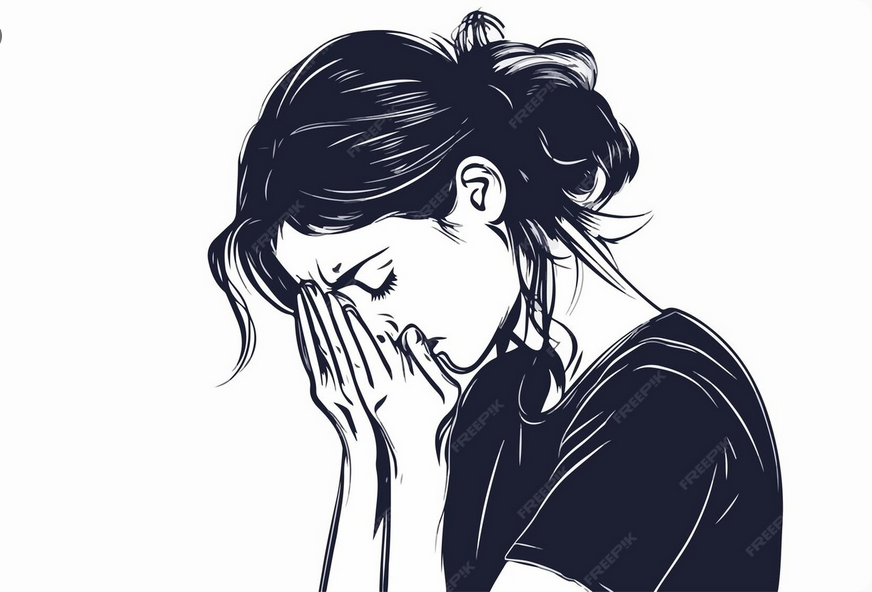
Does the Women’s Reservation Bill 2026 truly guarantee respect for women? The evidence suggests otherwise—data doesn’t lie.
In 2026, the Indian Parliament stands at a historic crossroads. The Women’s Reservation Bill has been thrust into the center of the national discourse, framed as a panacea for the historical marginalization of women in the world’s largest democracy. On the surface, the narrative is seductive: by legislating a quota for women in the halls…
-
Comprehensive Report: The Decline of Political Discourse in India (December 2020 – December 2025)
Executive Summary Over the past five years (December 2020 to December 2025), the landscape of Indian political discourse has witnessed a discernible shift toward increasingly aggressive, polarizing, and often derogatory rhetoric. As electoral battles have grown more intense—spanning state assembly elections, the highly charged 2024 Lok Sabha general elections, and the ongoing 2025 state campaigns—politicians…
-

The Very Very Important Person (VVIP) Syndrome: A Democratic Hypocrisy
To be an ordinary citizen in India is to exist in a perpetual state of giving way. Daily, on the choked, pothole-ridden arteries of our cities and the dusty stretches of our highways, we are violently accustomed to the deafening, arrogant noises of hooters and sirens. These are not the sounds of emergencies; they are…
-
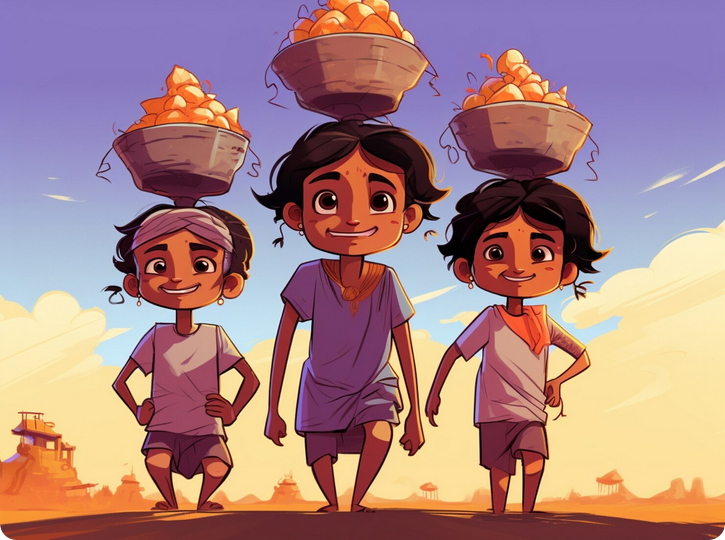
Inhuman, Uncivilised, Senseless Society: Why Are People Losing Indian Identity?
The Scattering of Minds and the Erosion of Brotherhood Oh, what a mess we’ve become! In this so-called modern India of 2026, people are scattered like leaves in the wind—in their thinking, working, and dealing with the public. Sure, many humans still pretend to be social beings, full of helping nature, but that’s mostly in…
-
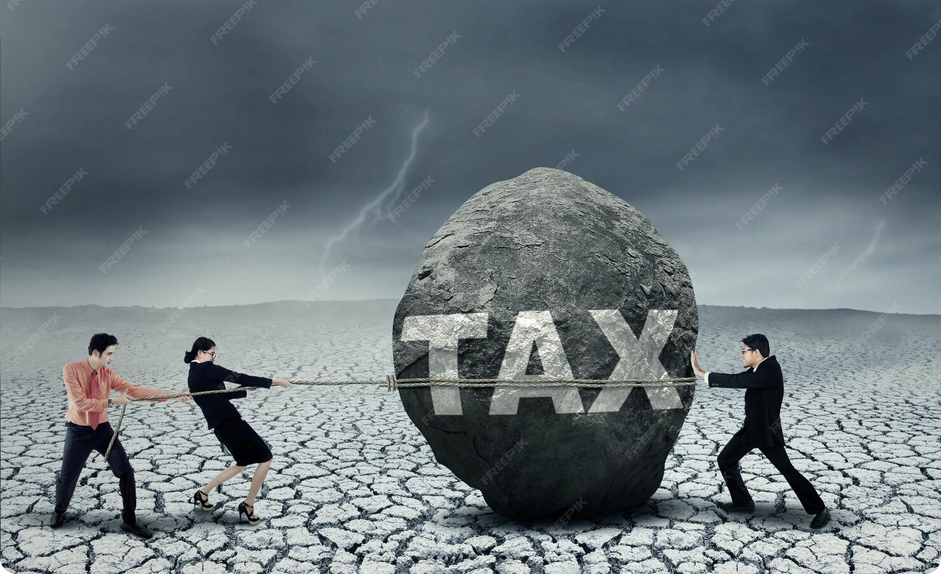
The Tax-Ed Paradox: Stifling the Knowledge Economy Through Fiscal Policy
Introduction: The Fundamental Role of the State in Education The foundational contract between a government and its citizens rests on the premise of the welfare state—the idea that the administration exists to facilitate the well-being of the populace, with education serving as the cornerstone of national progress. In a truly progressive society, the government functions…
-

Aren’t We Wrong in Selecting Our Role Models?
Every generation grows up searching for figures to admire, emulate, and follow. From early childhood to adulthood, human beings instinctively look for role models—people whose lives appear inspiring, successful, and worthy of imitation. In India, this tendency is particularly strong among the youth. Boys and girls across cities, towns, and villages choose their role models…
-

Indian Youth is Trapped in Endless Entrance Exam Cycles
Why India has put its young population to useless work: Trapped in the endless exam cycle In India, it feels as if the biggest “industry” is not manufacturing, not research, not innovation, not agriculture, not startups, not even the service sector—it is exam preparation. Almost 90% of Indian youngsters are busy preparing for one examination or another: entrance exams,…
-

The Illusion of Brands, Counterfeits, and MRP: How the Consumer Market Is Quietly Exploiting the Buyer
Modern consumer markets are filled with contradictions. On one hand, we are told that competition protects consumers, that globalization brings affordability, and that branding is a sign of quality. On the other hand, we see a strange reality: a jacket carrying the logo of Nike selling for ₹400, an Adidas lower for ₹200, and a…
-
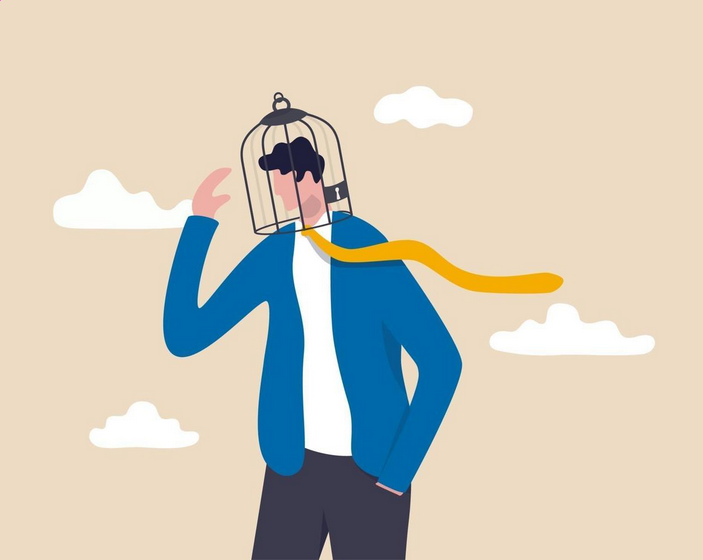
How Arrogance, False Self-Esteem, and the Illusion of Superiority Have Rotten Our Lives: A Harsh Reality of the Indian Mindset
One of the deepest and most destructive problems in Indian society today is not poverty, not lack of talent, and not even lack of opportunity—it is the arrogance born out of hierarchy, the false self-esteem of rank, and the ego of perceived superiority. This mindset silently shapes institutions, workplaces, governance, and everyday human interactions. It…
-
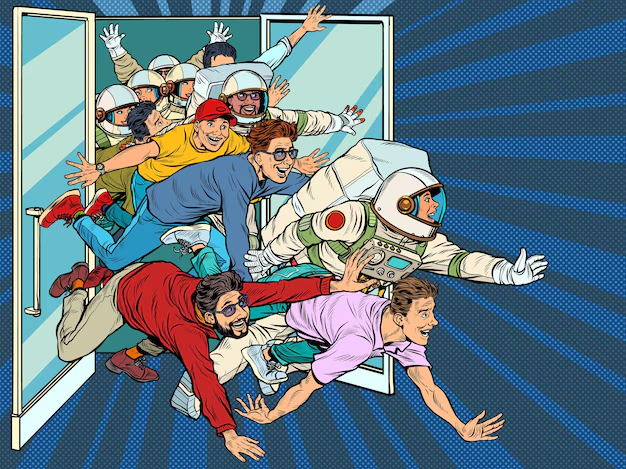
Freebies: Burdening Billions to Pacify a Few
Politics in India has evolved dramatically over the past few decades, and unfortunately, much of that evolution has taken a direction that weakens—not strengthens—the democratic spirit. The idea of public service has gradually eroded and, in many regions, disappeared entirely from political consciousness. What we witness today is a model where political power is pursued…