
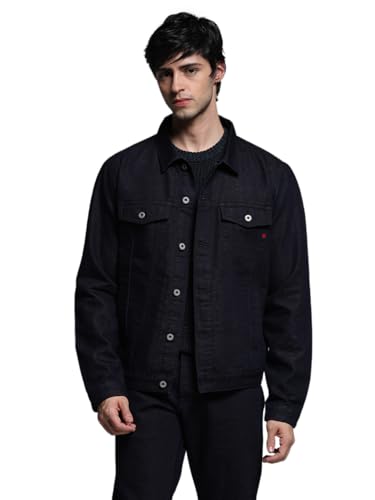
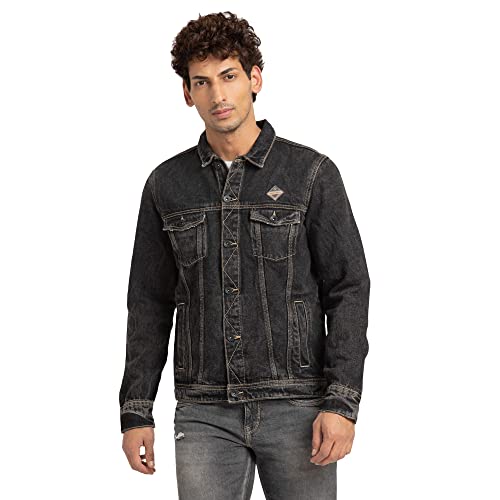
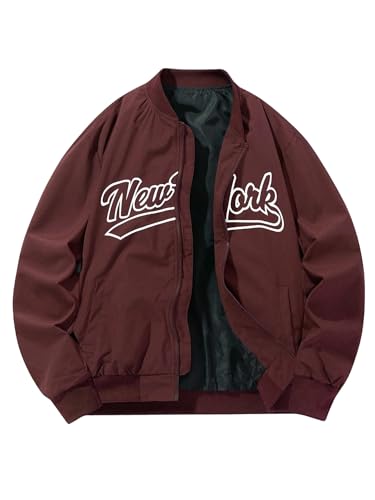
Modern consumer markets are filled with contradictions. On one hand, we are told that competition protects consumers, that globalization brings affordability, and that branding is a sign of quality. On the other hand, we see a strange reality: a jacket carrying the logo of Nike selling for ₹400, an Adidas lower for ₹200, and a The North Face jacket for ₹600—prices that are impossible if these products were genuine. Alongside this, we see T-shirts with an MRP of ₹1499 being sold profitably at ₹300–₹400, raising serious questions about pricing ethics, consumer protection, and government responsibility.
These two issues—counterfeit branded products and artificially inflated MRP—are not isolated problems. They are deeply interconnected and reflect a broader failure of regulation, transparency, and consumer awareness.
Part I: Why Counterfeit Products Are So Cheap Compared to Originals
1. The Economics Behind Original Branded Products
To understand why counterfeit products are cheap, we must first understand what goes into the pricing of an original branded product.
When you buy an original Nike or Adidas jacket, you are not just paying for fabric and stitching. You are paying for:
- Research and development (R&D) in fabric technology
- Design teams and innovation
- Global marketing and sponsorships (athletes, events, advertising)
- Quality control and compliance with safety and labor standards
- Intellectual property protection
- Taxes, customs duties, and logistics
- Brand premium, which reflects reputation and trust
A jacket that costs ₹600–₹800 to manufacture may sell for ₹4000–₹6000 because the price includes the entire ecosystem behind the brand.
2. Why Counterfeit Products Are So Cheap
Counterfeit products eliminate almost every cost mentioned above.
They:
- Do not invest in R&D
- Copy designs without paying licensing fees
- Use cheaper raw materials
- Employ unregulated labor, often under unsafe conditions
- Avoid taxes and GST
- Skip quality testing
- Spend nothing on brand building
As a result, a fake jacket may cost just ₹200–₹300 to make and can still be sold profitably at ₹400–₹600.
In simple terms, counterfeiters operate in the shadow economy, while original brands operate in the formal economy.
3. How Big Is the Counterfeit Market?
The counterfeit market is not small—it is massive.
Globally, counterfeit goods account for 3–4% of world trade, running into hundreds of billions of dollars annually. India is one of the largest markets for counterfeit apparel, footwear, electronics, cosmetics, and accessories.
In India:
- Major hubs include Delhi, Mumbai, Kolkata, Surat, and parts of Tamil Nadu
- Online marketplaces have expanded the reach of counterfeit sellers
- Social media platforms enable direct-to-consumer fake sales
This market thrives because:
- Consumers want branded goods at low prices
- Enforcement is weak
- Legal consequences are minimal
- Informal manufacturing networks are well established
4. Why People Buy Fake Products Despite Knowing They Are Fake
A hard truth must be acknowledged: many consumers knowingly buy counterfeit products.
Reasons include:
- Desire for social status
- Pressure to “look branded” without affordability
- Belief that “quality is almost the same.”
- Normalization of fake products in society
In a society where appearance often matters more than substance, logos become symbols of belonging—even if they are fake.
5. How Can Consumers Distinguish Between Fake and Original?
While counterfeiters have become sophisticated, differences still exist:
- Price too good to be true: Originals rarely sell at 80–90% discounts
- Poor stitching and finishing
- Incorrect logos or fonts
- Low-quality zippers, buttons, and fabric
- Missing authenticity tags or QR codes
- Unreliable sellers and marketplaces
However, expecting consumers always to identify fakes is unrealistic. Responsibility cannot lie solely with buyers.
6. Why Don’t Brands Take Strong Action Against Counterfeits?
Brands do actively fight counterfeiting, but the sheer volume makes it an ongoing battle rather than a winnable war against every single fake item.
- Scale and Scope: The global counterfeit industry is projected to be a multi-trillion-dollar market, far too large for individual brands to monitor and prosecute every single seller.
- High Cost of Legal Action: Pursuing legal action across different countries and legal systems is extremely expensive and time-consuming. The cost of suing often exceeds the potential financial recovery from a small-scale counterfeiter.
- Anonymity and Evasion: Counterfeiters utilize online marketplaces, social media, and underground networks to sell their goods, often operating anonymously and evading detection when targeted by authorities.
- Weak Enforcement in Some Regions: Many counterfeit products are manufactured in regions with lax intellectual property (IP) laws and inconsistent enforcement, making it difficult for brands to take effective action.
- Consumer Demand: A significant number of consumers knowingly buy fakes because they want trendy items at much lower price points, which sustains the market for counterfeit goods.
- Supply Chain Fraud: Sometimes, authentic materials or extra products from authorized factories end up in the black market through unauthorized third-party producers, making it harder to distinguish a “fake” from an unapproved original.
Brands often focus their efforts on:
- Implementing authentication technologies like secure QR codes and holograms.
- Working with law enforcement and customs authorities to seize large shipments at borders.
- Educating consumers on how to spot fakes and buy only from official channels.
Part II: The MRP Illusion – Legal Pricing, Moral Looting
1. Understanding the Concept of MRP
The Maximum Retail Price (MRP) was introduced to protect consumers from overcharging. It is meant to represent the maximum price at which a product can be sold, inclusive of taxes.
However, in practice, MRP has become a tool for psychological manipulation rather than consumer protection.
2. Why Are MRPs Inflated So Much?
Consider a T-shirt with:
- MRP: ₹1499
- Selling price: ₹300–₹400
If a seller can earn profit at ₹300, then:
- ₹1499 is not a reflection of value
- The MRP is artificially inflated
Brands inflate MRPs to:
- Create an illusion of heavy discount (e.g., “80% OFF”)
- Anchor consumer perception of value
- Allow flexible pricing across platforms
- Increase perceived brand worth
This is not illegal—but it is ethically questionable.
3. The Psychological Trap of Discounts
Consumers are not just buying products—they are buying discounts.
A ₹300 T-shirt feels cheap only because:
- The MRP says ₹1499
- The discount appears massive
In reality, the true value of the product may never have been ₹1499.
This practice exploits cognitive biases:
- Anchoring bias
- Fear of missing out (FOMO)
- Discount addiction
4. Who Benefits from Inflated MRPs?
- Brands: Higher perceived value
- Online platforms: Attractive discount banners
- Sellers: Pricing flexibility
- Middlemen: Margin manipulation
The only loser is the consumer, who is deprived of transparent pricing.
5. Why Is This Practice Dangerous?
Inflated MRPs:
- Destroy price transparency
- Make value comparison impossible
- Penalize uninformed consumers
- Normalize deceptive marketing
- Create inequality between buyers
A consumer who buys at ₹999 believes they are getting a deal, while another buys at ₹399 for the same product.
Part III: Government Responsibility and Regulatory Failure
1. What Is the Government Currently Doing?
Governments have:
- Consumer protection laws
- Legal frameworks against counterfeiting
- MRP regulations
- E-commerce guidelines
But enforcement is weak due to:
- Limited manpower
- Corruption
- Judicial delays
- Pressure from large corporations
- Lack of real-time monitoring
Laws exist largely on paper.
2. What Should the Government Do About Counterfeits?
Governments play a crucial role in tackling the transnational crime of counterfeiting, which is often linked to organized crime and human trafficking.
- Strengthen Legal Frameworks: Implement and enforce robust IP laws that impose severe criminal penalties, including hefty fines and imprisonment, to deter counterfeiters.
- Enhance Border Control: Allocate more resources to customs authorities to inspect incoming shipments and seize fake goods at ports of entry.
- Foster International Cooperation: Collaborate across borders to share intelligence and coordinate enforcement actions against international counterfeiting networks.
- Hold Platforms Accountable: Enact regulations that hold e-commerce platforms and social media sites more accountable for allowing the sale and promotion of counterfeit goods on their platforms.
- Raise Public Awareness: Launch public campaigns to inform citizens about the economic and safety risks associated with purchasing counterfeit products, which often contain harmful materials.
- Support Brand Registration: Encourage brands to register their trademarks and patents to provide a clear legal basis for enforcement actions.
3. What Should Be Done About Inflated MRPs?
The government must:
- Define MRP calculation guidelines
- Mandate cost transparency ranges
- Penalize excessive MRP inflation
- Regulate discount advertising
- Ensure uniform pricing disclosures
MRP should reflect a reasonable maximum, not a fictional number.
Part IV: The Role of Consumers and Society
While government and brands carry responsibility, consumers also play a role.
Consumers must:
- Reject counterfeit goods
- Demand transparency
- Avoid falling for discount traps
- Support ethical brands
- Raise complaints and awareness
A market ultimately reflects collective consumer behavior.
Conclusion: Toward a Fair and Honest Consumer Market
The problems of counterfeit products and inflated MRPs are symptoms of a deeper issue: the commercialization of deception. Brands sell dreams, sellers sell illusions, and consumers are caught in the middle.
A Nike logo at ₹400 and a ₹1499 T-shirt sold for ₹300 both tell the same story—value has been replaced by perception.
True consumer protection will not come from laws alone. It requires:
- Strong regulation
- Corporate accountability
- Ethical pricing
- Informed consumers
Until then, the market will continue to reward deception over honesty, and consumers will continue paying—not always with money, but with trust.




 Views Today : 50
 Views Yesterday : 24
 Total views : 902
Leave a Reply