-

The Illusion of Brands, Counterfeits, and MRP: How the Consumer Market Is Quietly Exploiting the Buyer
Modern consumer markets are filled with contradictions. On one hand, we are told that competition protects consumers, that globalization brings affordability, and that branding is a sign of quality. On the other hand, we see a strange reality: a jacket carrying the logo of Nike selling for ₹400, an Adidas lower for ₹200, and a…
-
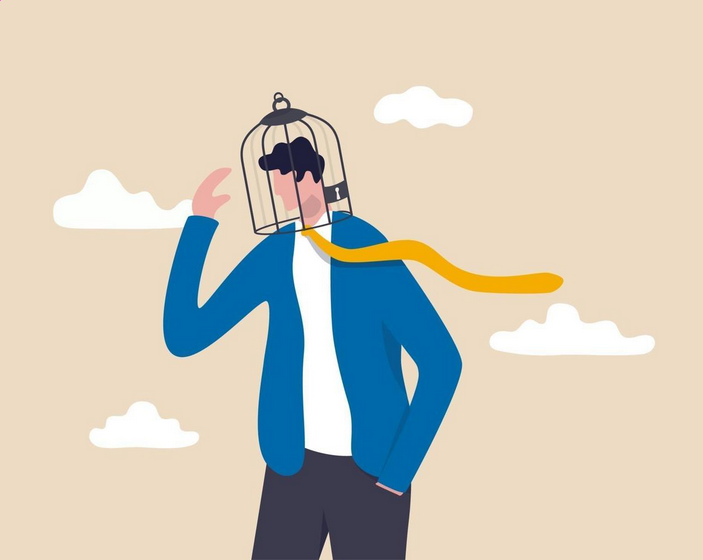
How Arrogance, False Self-Esteem, and the Illusion of Superiority Have Rotten Our Lives: A Harsh Reality of the Indian Mindset
One of the deepest and most destructive problems in Indian society today is not poverty, not lack of talent, and not even lack of opportunity—it is the arrogance born out of hierarchy, the false self-esteem of rank, and the ego of perceived superiority. This mindset silently shapes institutions, workplaces, governance, and everyday human interactions. It…
-

Self-Ranking in the Face of Unfavorable Truths: India’s Approach to International Indices
In the realm of self-assessment, human nature often leans toward optimism and self-preservation. Imagine a classroom scenario where a student is tasked with grading their own exam paper and ranking themselves among peers. Invariably, the student would inflate their scores, downplay errors, and position themselves at the top, avoiding any admission of shortcomings. No one…
-

Electoral Autocracy Forced on Citizens by Choice: The Illusion of Democracy
Democracy is often celebrated as the highest form of governance, a system in which people rule themselves through elected representatives. Elections are portrayed as festivals of democracy, moments when citizens exercise their power, shape their future, and hold leaders accountable. In theory, democracy empowers the people. In practice, however, many modern democracies—particularly in developing nations—have…
-
Who Is the Real Credit Seeker — “The Creditjibi”?
In India, even the poorest members of society—people who sometimes struggle just to secure two meals a day—still pay taxes. Whether they realize it or not, every person contributes to the government’s revenue through GST, fuel tax, road tax, tolls, excise duties, and countless other hidden charges. Even a poor daily wage worker buying a…
-
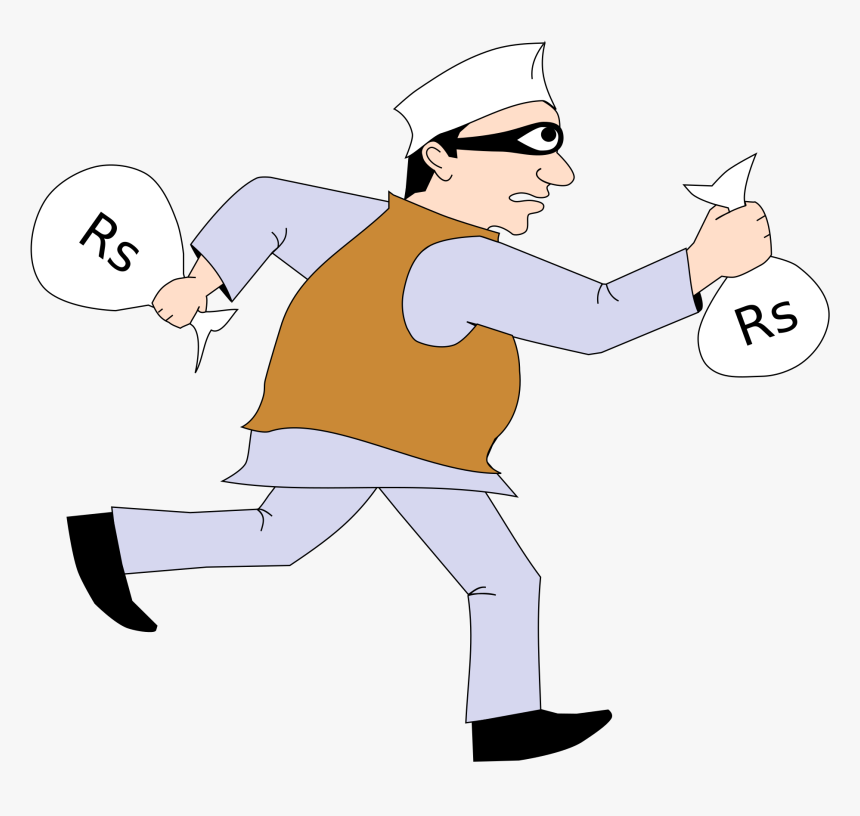
A Reflection on India’s Enduring Crisis of Governance, Accountability, and Mindset
Why So Much Criticism Yet No Change? India is a nation where public criticism of politicians, bureaucrats, and the governing system flows endlessly. Every day, in tea stalls, living rooms, social media platforms, and even academic discussions, corruption is cited as the nation’s biggest curse. People question the unexplained rise in wealth of political leaders,…
TheBrokenBallots
The people | Equality | Freedom | Justice
Follow Us On YouTube